Five Years of Work and Residence before Access to Shelter?
[EN, Dutch below] In response to a request sent in by a social worker from an NGO, the EU Citizen Rights Corner published a legal advice regarding access to shelter and social assistance for EU migrant workers who lost their jobs. The central question of this advice is whether it is legally correct, in light of EU and Dutch Law, for Dutch municipalities to deny access to homeless shelters (and social assistance) on the grounds that the EU citizens in question have not worked and lived in the Netherlands for five years.
The Clinic concluded that Dutch municipalities are in violation of EU and Dutch law when they refuse requests solely on the grounds that a EU citizen has not worked and lived in the Netherlands for five years. While five years is the threshold for obtaining the permanent residence status which entitles EU citizens to full equal treatment, there are many situations in which EU citizen can be eligible for shelter facilities and social assistance despite not having acquired that status.
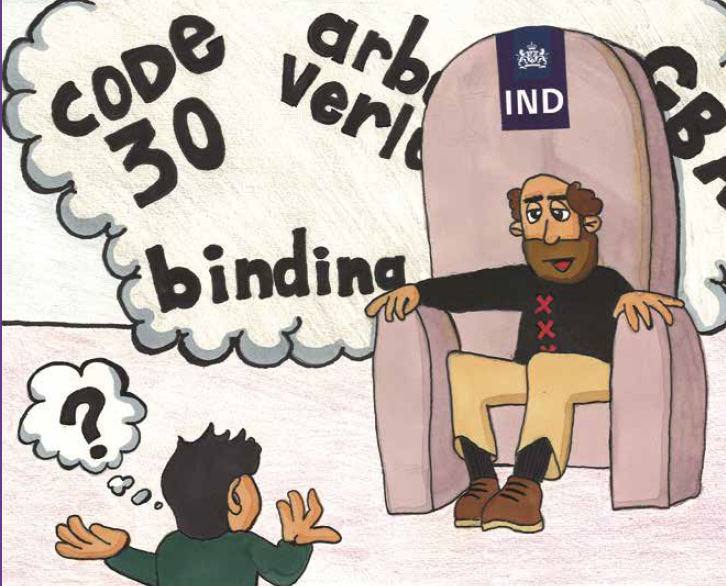
In addition, it is also not up to municipality to reject a request on the basis of a presumption of a lack of right to residence. The IND is the sole authority with jurisdiction to determine an EU citizen’s right to residence in the Netherlands. However, it should be noted that applying for social assistance or shelter can put the EU citizen’s right to residence at risk, as the municipality can notify the IND which can thereafter revoke a person’s right to residence if he/she does not meet the residence conditions under EU law. This can result in further steps to remove the EU citizen from the country. It is therefore important to consider the risks in light of personal circumstances and the likelihood that the EU citizen concerned will retain his or her right of residence or be able to regain a right of residence quickly, for example by finding a new job.

EU-Burgers en 'code 30'
Het komt nog regelmatig voor dat dakloze EU-burgers geen toegang wordt verleend tot de maatschappelijke opvang omdat medewerkers van gemeentelijke diensten ‘verblijfscode 30’ in de BRP zien staan. Dit advies beoogt ten eerste uit te leggen wat ‘code 30’ betekent. Ten tweede toetst het advies het gebruik van ‘code 30’ als afwijzingsgrond aan het relevante EU-recht en rechtspraak van hoogste Nederlandse rechters. Ten slotte biedt het advies hulpverleners enkele handvatten hoe om te gaan met ‘verblijfscode 30’.